Ceramic Coating for Trucks: Pricing, Durability, and What to Expect in Ceramic Coating Maitland
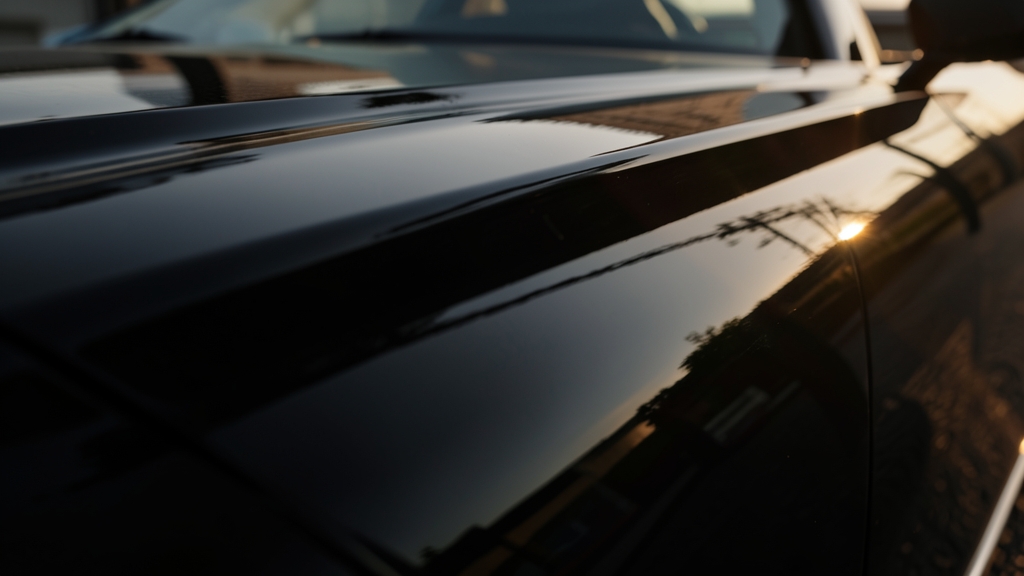
Trucks take a beating in Central Florida’s sun, rain, and road grime. We apply professional-grade ceramic coatings to shield your paint, wheels, and trim from UV fading, chemical stains, and swirl marks. Here’s what drives pricing and durability for truck ceramic coatings in our area.
Why Trucks Need Ceramic Coating in Central Florida
Our region’s intense UV rays accelerate paint oxidation, especially on large truck surfaces. A nano-ceramic coating adds a sacrificial layer that blocks 99% of UV damage, keeping your finish glossy longer.
Road salt, bug splatter, and tree sap are common on Maitland roads. Ceramic coatings’ hydrophobic properties repel these contaminants, reducing the need for harsh wash chemicals that can degrade clear coat over time.
For fleet trucks or work rigs, coatings on high-wear areas like hoods and beds prevent premature fading. We often pair this with Paint Protection Film on impact zones for full defense.
Ceramic Coating Durability: Realistic Expectations for Trucks
Professional-grade ceramic coatings last 2–5 years on trucks, depending on maintenance and exposure. Commercial fleets in high-mileage areas like Altamonte Springs or Casselberry may see slightly shorter lifespans due to constant use.
The coating’s 9H hardness rating resists light scratches from brushes or debris. However, it’s not a substitute for Paint Protection Film on rocker panels or truck beds where impacts are likely.
Annual maintenance washes with pH-neutral soaps extend longevity. Avoid automatic car washes with abrasive brushes—they degrade the coating faster than hand washing.
What Drives Ceramic Coating Costs for Trucks
Truck size and surface area are the biggest factors. A full-size pickup with extended cab and bed requires more product and labor than a compact truck, directly impacting the quote.
Paint condition matters. If your truck has swirl marks, oxidation, or water spots, we’ll recommend Paint Correction & Polishing before coating to ensure a flawless finish. This adds time and cost but is critical for durability.
Add-ons like Wheel & Brake Caliper Ceramic Coating, Ceramic Window Tint, or Interior Ceramic Protection increase the investment. Each service targets a specific vulnerability—wheels corrode fast in Florida’s humidity, for example.
| Factor | Impact on Cost | Why It Matters |
|---|---|---|
| Truck size (surface area) | High | More product and labor time required |
| Paint Correction needed | High | Pre-coating prep ensures proper bonding |
| Number of layers | Medium | Multi-layer coatings enhance durability |
| Add-on services (PPF, tint, wheels) | Medium-High | Each service addresses a unique protection need |
| Coating brand/tier | Medium | Premium formulas offer longer warranties |
Ceramic Coating vs. Paint Protection Film for Trucks
Ceramic coatings excel at chemical and UV resistance, while Paint Protection Film (PPF) physically absorbs impacts. For trucks, we often combine both: PPF on high-impact areas and ceramic coating everywhere else.
PPF is self-healing for minor scratches but requires replacement every 5–7 years. Ceramic coatings don’t self-heal but maintain gloss and hydrophobicity longer between applications.
In Eatonville or Fern Park, where off-road debris is common, PPF on the front bumper and hood pairs well with a full ceramic coating for comprehensive protection.
For maximum defense, layer PPF on impact zones first, then apply ceramic coating over the entire truck. This ‘hybrid’ approach is popular among local fleet owners.
The Ceramic Coating Process for Trucks: Step by Step
We start with a thorough decontamination wash to remove embedded iron particles and tar. This step is non-negotiable—any residue left behind will be sealed under the coating.
Next, we perform Paint Correction if needed, using compounds and polishes to eliminate swirls and oxidation. Skipping this step risks locking in imperfections permanently.
The coating is applied in a climate-controlled bay to prevent dust contamination. Each panel is coated in small sections, with cross-linking time between layers to ensure even curing.
Maintaining Your Truck’s Ceramic Coating in Florida
Wash your truck every 2 weeks with a pH-neutral shampoo. Avoid dish soaps or degreasers—they strip the hydrophobic layer. A foam cannon attachment helps lift dirt without scratching.
Reapply a ceramic boost spray every 6–12 months to refresh hydrophobicity. This isn’t a full re-coat but extends the life of your initial application.
Park in shaded areas or use a truck cover when possible. While ceramic coatings resist UV damage, prolonged sun exposure in Maitland’s climate can still stress the underlying paint.
Ceramic Coating Maintenance Checklist
- Wash with pH-neutral soap biweekly
- Use a microfiber wash mitt (no sponges)
- Dry with a clean microfiber towel to prevent water spots
- Apply ceramic boost spray every 6–12 months
- Avoid automatic car washes with brushes
Common Mistakes to Avoid with Truck Ceramic Coatings
DIY ceramic coatings rarely match professional results. Improper prep or application can lead to streaking, premature failure, or even paint damage. We’ve seen trucks in Winter Park where DIY coatings peeled within months.
Applying coating over existing wax or sealants causes bonding issues. Always strip old products completely before application.
Ignoring wheels and trim leaves vulnerable areas exposed. Brake dust and road grime accumulate fast on wheels—ceramic coating them prevents permanent pitting.
Never apply ceramic coating in direct sunlight or high humidity. Uneven curing leads to inconsistent gloss and reduced durability.
Local Considerations for Truck Ceramic Coating in Maitland
Central Florida’s humidity and frequent rain mean your truck’s coating will face constant moisture. A high-quality ceramic coating with strong hydrophobic properties sheds water faster, reducing water spot mineral deposits.
For trucks used in construction or landscaping, we recommend adding ceramic coating to the bed and lower panels. These areas endure heavy dirt, mud, and chemical exposure from fertilizers or concrete splatter.
If you’re near Casselberry or Altamonte Springs, pollen season can be brutal. Ceramic coatings make pollen removal easier—just rinse with water instead of scrubbing.
How to Prepare Your Truck for Ceramic Coating
Proper prep ensures your ceramic coating bonds correctly and lasts. Follow these steps before bringing your truck to us.
- 1Deep Clean the Exterior
Wash your truck with a pH-neutral shampoo and use a clay bar to remove embedded contaminants. This step is critical for a smooth surface.
- 2Remove Old Wax or Sealants
Use a dedicated wax remover or pre-coating prep spray to strip any existing protective products. Residue prevents proper adhesion.
- 3Inspect for Paint Damage
Check for swirl marks, scratches, or oxidation. If present, note these areas—our team will address them during Paint Correction.
- 4Dry Thoroughly
Use a microfiber towel to dry all surfaces completely. Any moisture left behind can interfere with the coating’s bonding process.
- 5Avoid Driving Before Application
Once cleaned, avoid driving the truck to prevent new contaminants from settling on the paint. Park in a garage or covered area if possible.
Frequently Asked Questions
How long does a ceramic coating last on a truck in Ceramic Coating Maitland’s climate?
With proper maintenance, professional ceramic coatings typically last 2–5 years in Central Florida. The intense sun and humidity can shorten this slightly, but regular washing and boost sprays help extend longevity. Request a quote to discuss options tailored to your truck’s usage.
Can I apply ceramic coating over existing paint protection film?
Yes, but the PPF must be clean and in good condition. We often apply ceramic coating over Paint Protection Film to enhance its hydrophobic properties and UV resistance. This hybrid approach is popular for trucks in high-exposure areas like Eatonville or Fern Park.
Does ceramic coating prevent scratches on my truck?
Ceramic coatings add a hard, protective layer (9H on the pencil scale) that resists light scratches from washing or minor debris. However, they won’t prevent deep scratches from rocks or heavy impacts. For those, we recommend pairing the coating with Paint Protection Film on vulnerable areas.
Is ceramic coating worth it for a work truck?
Absolutely. Work trucks endure harsh conditions—UV exposure, chemical splatter, and abrasive dirt. Ceramic coating protects the paint and reduces cleaning time, while add-ons like Wheel & Brake Caliper Coating prevent corrosion. Fleet owners in Winter Park and Altamonte Springs often see a strong ROI from reduced maintenance costs.
How do I know if my truck needs Paint Correction before ceramic coating?
If your truck has visible swirl marks, oxidation, water spots, or dullness, Paint Correction is likely needed. These imperfections won’t disappear under the coating—they’ll be sealed in. Our team can assess your paint’s condition during a consultation.
Can ceramic coating be applied to a truck bed?
Yes, and it’s highly recommended for trucks used in construction or hauling. Ceramic coating protects the bed from UV fading, chemical stains, and moisture damage. For added impact resistance, we can also apply Paint Protection Film to high-contact areas.