DIY vs. Professional Ceramic Coatings: What Maitland Drivers Need to Know About Ceramic Coating Maitland
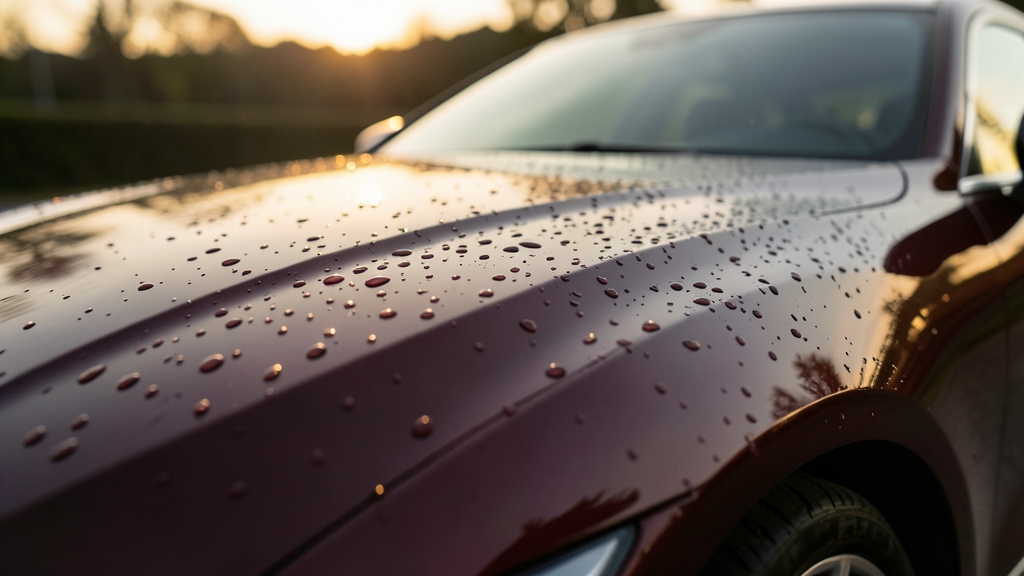
We see it all the time: drivers in Maitland grab a DIY ceramic coating kit, expecting mirror-like shine and years of protection, only to end up with streaks, poor bonding, or wasted product. The truth? Professional application isn’t just about skill—it’s about the science of prep, product, and environment. Here’s what separates a weekend project from a showroom finish.
Why Prep Work Makes or Breaks Your Ceramic Coating
A ceramic coating bonds to your clear coat at a molecular level. If the surface isn’t perfectly clean and corrected, contaminants and imperfections get locked in forever.
Professionals start with a multi-stage decontamination: iron remover, clay bar, and sometimes even a light polish to eliminate swirls and oxidation. DIYers often skip steps, risking poor adhesion.
In Florida’s humidity, even a speck of dust during application can ruin the finish. Our controlled environment eliminates that risk.
Applying ceramic coating over swirls or scratches amplifies them. Paint correction isn’t optional—it’s the foundation.
DIY Kits vs. Professional-Grade Ceramic Coatings
Consumer-grade DIY kits typically use lower-concentration nano-ceramic polymers. They offer 6–12 months of protection, while pro-grade coatings (like those we use) can last 2–5 years or more.
Professional coatings also contain advanced UV inhibitors and hydrophobic agents that repel water, dirt, and contaminants far more effectively. The difference in gloss and slickness is noticeable immediately.
DIY products often lack the cross-linking agents that create a true chemical bond with your paint. That’s why they wash away faster, especially in Maitland’s frequent rain and intense sun.
| Factor | DIY Ceramic Coating | Professional Ceramic Coating |
|---|---|---|
| Durability | 6–12 months | 2–5+ years |
| Prep Required | Basic wash, minimal correction | Full decontamination, paint correction |
| Hydrophobic Effect | Moderate | Extreme (beading lasts longer) |
| UV Protection | Basic | Advanced (prevents oxidation/fading) |
| Application Environment | Garage/driveway (risk of dust, humidity) | Controlled, climate-controlled bay |
| Cost Factors | Product cost only | Labor, prep, product, and expertise |
The Hidden Costs of DIY Ceramic Coating Mistakes
A botched DIY job often requires stripping the coating and starting over—sometimes damaging the clear coat in the process. That’s when drivers call us for paint correction and a fresh pro application.
Improper application can also lead to high spots, streaks, or uneven curing. These flaws aren’t just unsightly; they compromise protection in those areas.
Time is another factor. A proper DIY application can take a full weekend (or longer for beginners), while our team completes most vehicles in 1–2 days with superior results.
Why Florida’s Climate Demands Professional Application
Maitland’s heat, UV exposure, and humidity accelerate paint damage. A professional ceramic coating acts as a sacrificial layer, shielding your clear coat from oxidation, bird droppings, and tree sap.
DIY coatings often can’t withstand the constant assault of Florida’s elements. We’ve seen DIY jobs fail in as little as 3 months under these conditions.
For drivers in Winter Park, Altamonte Springs, or Casselberry, the same rules apply: if you want lasting protection, prep and product quality can’t be compromised.
If you’re parking outside daily, consider pairing ceramic coating with Paint Protection Film (PPF) on high-impact areas like the hood and front bumper for ultimate defense.
What the Pros Do Differently in Application
We use precision tools like dual-action polishers for correction and infrared lamps to accelerate curing. DIYers typically rely on hand application, which leads to uneven coverage.
Professional installers also work in sections, ensuring each panel is perfect before moving on. This method prevents missed spots and ensures consistent thickness.
Temperature and humidity control are critical. Our bay maintains ideal conditions for the coating to cross-link properly—something a home garage may not achieve.
Beyond the Paint: Full-Vehicle Ceramic Protection
Ceramic coatings aren’t just for paint. We offer specialized coatings for wheels, brake calipers, and even interiors to repel dirt, brake dust, and stains.
Wheel ceramic coatings, for example, make cleaning brake dust a breeze—especially important in Maitland, where dust and pollen are constant battles.
Interior ceramic protection guards against UV fading and spills, while headlight restoration and coating can restore clarity and prevent yellowing.
Areas to Consider for Ceramic Coating
- Full-vehicle paint
- Wheels and brake calipers
- Interior surfaces (dash, leather, plastic)
- Headlights
- Windows (ceramic tint or hydrophobic coating)
- Paint Protection Film (PPF) for high-impact zones
How to Decide: DIY or Pro for Your Ride
If your paint is in near-perfect condition and you’re meticulous, a DIY kit might be a fun experiment. But for most drivers, the risk of mistakes isn’t worth the savings.
Consider your car’s value, too. For daily drivers in Eatonville or Fern Park, a pro coating preserves resale value. For show cars, it’s non-negotiable.
Still unsure? Request a quote. We’ll assess your paint’s condition and recommend a suitable path—whether it’s a full pro coating, PPF, or a hybrid approach.
How to Maintain Your Ceramic Coating Like a Pro
Ceramic coating requires proper care to maximize its lifespan.
- 1Wash Regularly, But Gently
Use a pH-neutral car shampoo and a microfiber wash mitt to avoid scratching. Avoid automatic car washes with harsh brushes.
- 2Dry Thoroughly
Water spots can leave mineral deposits that etch into the coating. Use a clean microfiber towel or a blower to dry completely.
- 3Reapply a Maintenance Spray
Every 3–6 months, use a ceramic boost spray to refresh hydrophobic properties and extend the coating’s life.
- 4Avoid Harsh Chemicals
Steer clear of wax, sealants, or cleaners with abrasives or solvents. These can degrade the coating over time.
- 5Address Contaminants Immediately
Bird droppings, bug splatter, and tree sap should be removed ASAP to prevent etching or staining.
Frequently Asked Questions
Can I apply a ceramic coating over existing wax or sealant?
No. Wax and sealants must be fully removed before applying a ceramic coating, or the coating won’t bond properly. Professional detailers use a dedicated prep solution to strip all previous products.
How long does a professional ceramic coating last in Maitland’s climate?
With proper prep and maintenance, a pro-grade ceramic coating can last 2–5 years or more, even in Florida’s harsh conditions. DIY coatings typically fail much sooner due to inferior products and application.
Will a ceramic coating prevent all scratches and chips?
Ceramic coatings add a hard, protective layer, but they’re not scratch-proof. For full protection against rock chips and deep scratches, we recommend pairing the coating with Paint Protection Film (PPF) on vulnerable areas.
Is ceramic coating worth it for an older car in Ceramic Coating Maitland?
Absolutely—if the paint is in good condition. Ceramic coatings can restore gloss and protect aging paint from further damage. However, if the clear coat is heavily oxidized or peeling, paint correction or respraying may be needed first.
Can I ceramic coat my car myself and then have a pro fix any mistakes?
It’s possible, but stripping a poorly applied DIY coating is labor-intensive and may require light polishing, which adds to the cost. It’s often more economical to start with a professional application.
Do you offer ceramic coating for commercial or fleet vehicles in areas like Altamonte Springs or Casselberry?
Yes. Fleet and commercial vehicles benefit greatly from ceramic coatings, which reduce maintenance time and keep trucks, vans, or service vehicles looking professional. We tailor solutions for high-mileage and high-exposure vehicles.