Why pH-Balanced Products Are Critical for Ceramic Coating Care in Ceramic Coating Maitland
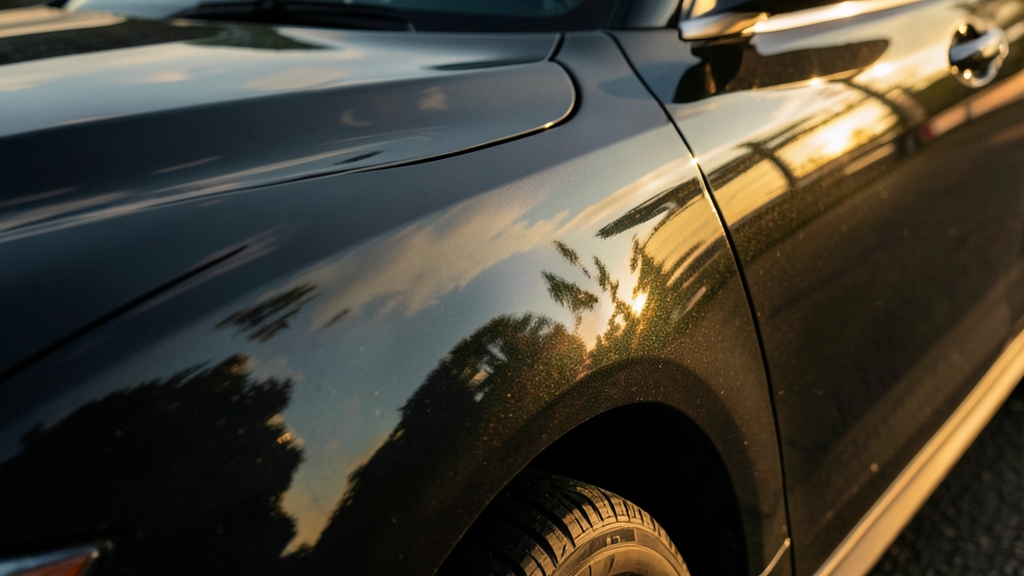
Your ceramic coating is a high-performance shield, but it’s only as strong as the products you use to maintain it. In Central Florida’s intense sun and frequent rain, pH-balanced cleaners prevent premature degradation, preserving that mirror-like finish and hydrophobic behavior. We’ll break down the science and best practices to keep your coating—and your car’s value—intact.
How pH Affects Ceramic Coating Longevity
Ceramic coatings bond at a molecular level with your paint, but extreme pH levels can break down that bond over time. Alkaline cleaners (pH 10+) strip away contaminants but also degrade the coating’s silica matrix, while acidic products (pH 4 or lower) etch into the surface, creating micro-scratches.
In our humid climate, water spots from minerals in rain or sprinklers are common. pH-balanced products (pH 6–8) lift contaminants without compromising the coating’s integrity or hydrophobic layer.
The Hidden Risks of Common Car Wash Soaps
Many off-the-shelf car shampoos contain high-alkaline degreasers to cut through grime. These work for unprotected paint but accelerate ceramic coating wear, especially in areas like Altamonte Springs where dust and pollen are constant.
Even ‘mild’ dish soaps can have a pH of 9–10, which seems safe but gradually dulls the coating’s gloss. Over time, this leads to reduced water beading and a shorter lifespan for your investment.
Touchless and brush car washes often use harsh chemicals with pH levels outside the safe range. Stick to hand-washing with pH-balanced products to protect your coating.
pH-Balanced vs. Traditional Cleaners: A Direct Comparison
Not all cleaners are created equal. The table below highlights how pH-balanced products stack up against traditional options for ceramic-coated vehicles.
| Cleaner Type | pH Range | Effect on Coating | Best For |
|---|---|---|---|
| pH-Balanced Shampoo | 6–8 | Safe; maintains hydrophobic properties | Regular maintenance washes |
| Alkaline Degreaser | 10–14 | Degrades silica bond; reduces longevity | Wheel/engine bay cleaning (not paint) |
| Acidic Wheel Cleaner | 1–4 | Etches coating; causes water spotting | Uncoated wheels only |
| Dish Soap | 9–10 | Gradually strips coating; dulls finish |
Central Florida’s Climate: Why pH Matters Even More Here
Maitland’s mix of UV exposure, humidity, and frequent rain creates a perfect storm for coating stress. Acid rain, pollen, and hard water minerals cling to surfaces, requiring regular cleaning—but with the wrong products, you’re doing more harm than good.
Neighboring areas like Winter Park and Casselberry face the same challenges. A pH-balanced routine ensures your coating repels contaminants without breaking down under environmental pressure.
The Role of pH in Paint Correction and Pre-Coating Prep
Before applying a ceramic coating, paint correction is often needed to remove swirl marks and oxidation. Here, pH-balanced clay bars and prep sprays are critical to avoid introducing new defects.
Post-correction, a pH-neutral final wash ensures no residues interfere with the coating’s adhesion. This step is non-negotiable for full-vehicle ceramic coating or PPF installations in Eatonville or Fern Park.
Always pair clay bars with a pH-neutral lubricant to prevent marring. This is especially important for darker vehicles where swirls are more visible.
Beyond the Paint: pH-Balanced Care for Other Coated Surfaces
Ceramic coatings aren’t just for paint. Wheel and brake caliper ceramic coatings, ceramic window tint, and interior ceramic protection all require pH-balanced maintenance to avoid damage.
For example, acidic wheel cleaners can pit coated brake calipers, while alkaline glass cleaners strip the hydrophobic layer from ceramic window tint. Always match the product to the surface.
How to Verify a Product’s pH Level
Not all brands disclose pH levels, but reputable ceramic coating manufacturers (like those we use) provide this data. Look for products labeled ‘pH-balanced’ or ‘pH-neutral’ with a specified range.
For DIY verification, pH test strips are inexpensive and accurate. Test your current products—you might be surprised by what you find.
What to Look for in a pH-Balanced Car Care Product
- pH range of 6–8 for regular maintenance
- Free of sulfates, phosphates, and strong solvents
- Specifically formulated for ceramic coatings or paint protection film
- Recommended by professional detailers (like our team)
Maintenance Schedule for pH-Balanced Ceramic Coating Care
Consistency is key. For vehicles in Maitland and surrounding areas, we recommend a pH-balanced wash every 1–2 weeks, depending on exposure. Heavy pollen seasons may require more frequent cleaning.
Every 3–6 months, use a pH-balanced detail spray to refresh the hydrophobic properties. This is especially important for fleet and commercial vehicles that see daily use.
How to Wash a Ceramic-Coated Vehicle with pH-Balanced Products
Follow these steps to clean your car without compromising the coating’s integrity.
- 1Pre-Rinse
Use a pressure washer or hose to remove loose dirt. This reduces the risk of scratching during the wash.
- 2Two-Bucket Method
Fill one bucket with pH-balanced shampoo and water, and another with clean water for rinsing your mitt. This prevents cross-contamination.
- 3Wash with a Microfiber Mitt
Gently wash the vehicle in straight lines, starting from the top. Avoid circular motions, which can create swirl marks.
- 4Rinse Thoroughly
Remove all soap residue with a final rinse. Leftover shampoo can leave streaks and reduce hydrophobicity.
- 5Dry with a Clean Microfiber Towel
Pat the surface dry to prevent water spots. Use a separate towel for wheels and lower panels to avoid transferring grime.
- 6Apply a pH-Balanced Detail Spray (Optional)
For extra gloss and protection, mist a pH-balanced detail spray onto the surface and buff with a clean microfiber towel.
Frequently Asked Questions
Can I use a pH-balanced shampoo on a vehicle with both ceramic coating and paint protection film?
Absolutely. pH-balanced products are safe for both ceramic coatings and PPF. In fact, they’re the only type of cleaner we recommend for vehicles with multiple layers of protection, common in areas like Winter Park and Altamonte Springs.
How do I know if my current car soap is damaging my ceramic coating?
Signs include reduced water beading, dullness, or a rough texture when dry. If your soap isn’t labeled pH-balanced or feels overly sudsy, it’s likely too harsh. Switch to a coating-safe product and monitor the improvement.
Are pH-balanced products more expensive?
Cost varies, but pH-balanced cleaners are often comparable to premium car shampoos. The real value lies in preserving your coating’s lifespan—saving you money on premature reapplication. Request a quote to discuss product recommendations tailored to your vehicle.
Can I use vinegar or baking soda to clean my ceramic-coated car?
No. Vinegar is acidic (pH ~2–3) and baking soda is alkaline (pH ~9), both of which can damage the coating over time. Stick to products specifically formulated for ceramic coatings.
What’s a way to remove stubborn contaminants like bird droppings or tree sap from a ceramic coating?
For fresh deposits, a pH-balanced quick detailer and microfiber towel often suffice. For dried-on contaminants, use a dedicated (pH-neutral) contaminant remover. Never scrub aggressively—this can scratch the coating.
Does Ceramic Coating Maitland offer pH-balanced products for DIY maintenance?
Yes. We provide professional-grade, pH-balanced cleaners and maintenance products for our clients. These are the same products our team uses on fleet and commercial vehicles in Casselberry and Fern Park.