How Regular Wash Routines Preserve Your Ceramic Coating in Maitland in Ceramic Coating Maitland, FL
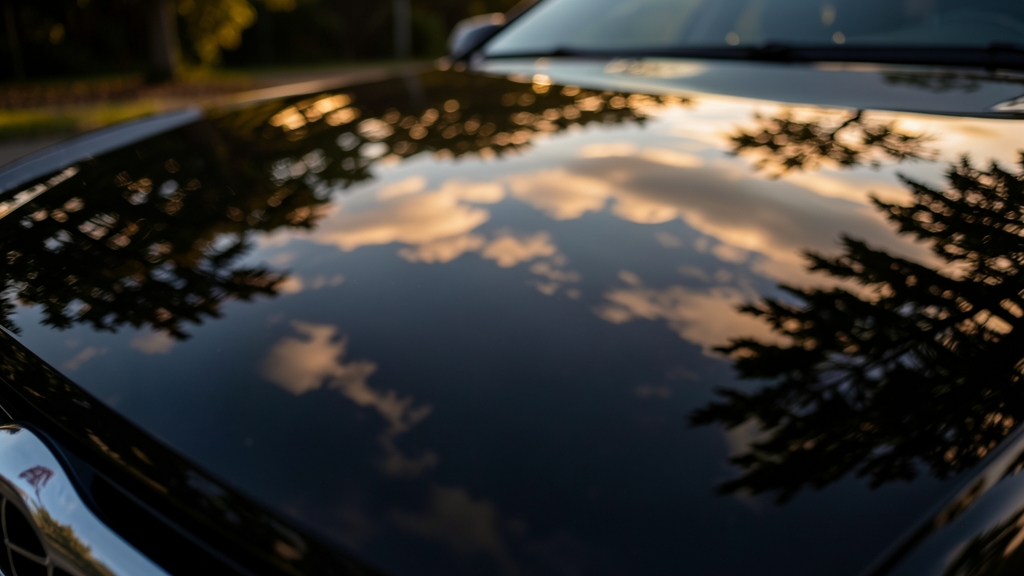
Ceramic coatings don’t make your car maintenance-free—they change how you maintain it. In Central Florida’s heat and humidity, a disciplined wash routine is the difference between a coating that lasts years and one that fails prematurely. We’ll show you the science-backed methods that protect your investment in Maitland’s tough conditions.
Why Ceramic Coatings Still Need Washing
Ceramic coatings create a hydrophobic, self-cleaning surface, but they don’t repel all contaminants. Brake dust, iron particles, and industrial fallout still bond to the surface over time, degrading the coating’s performance.
Maitland’s frequent rain can leave mineral deposits that etch into the coating if not removed promptly. Even hydrophobic layers lose effectiveness when buried under grime.
The Impact of Maitland’s Climate on Coating Longevity
Florida’s UV index accelerates oxidation, breaking down both paint and ceramic layers faster than in cooler climates. Regular washing removes UV-absorbing contaminants that amplify this damage.
Humidity in areas like Eatonville and Altamonte Springs promotes water spots and mineral buildup. These aren’t just cosmetic—they create micro-scratches that compromise the coating’s integrity.
Brush-style car washes use abrasive materials that scratch ceramic coatings. Touchless washes often rely on harsh chemicals that strip hydrophobic properties. Always hand-wash.
Essential Wash Tools for Ceramic-Coated Vehicles
Use pH-balanced car soap—never dish soap or household cleaners. These strip the coating’s oleophobic and hydrophobic properties, reducing its lifespan.
Microfiber wash mitts and towels prevent swirl marks. A separate mitt for wheels avoids cross-contamination from brake dust, which is especially aggressive in Maitland’s stop-and-go traffic.
Ceramic-Coating-Safe Wash Kit
- pH-neutral car shampoo (no wax or fillers)
- Two-bucket wash system with grit guards
- High-quality microfiber mitts and towels
- Iron remover spray for embedded contaminants
- Clay bar and lubricant for deep cleaning
Step-by-Step Wash Technique to Protect Your Coating
The two-bucket method is non-negotiable. One bucket holds soapy water, the other clean rinse water to trap dirt before it returns to your mitt.
Always wash from top to bottom, starting with the roof and working down to the wheels. This prevents re-contaminating clean surfaces with dirt from lower panels.
Pre-Wash Decontamination: The Overlooked Critical Step
Before touching the paint, use an iron remover to dissolve embedded brake dust and rail dust. These particles are invisible but cause rust spots and coating degradation.
A clay bar treatment every 3-4 months removes bonded contaminants that washing alone can’t. This is especially important in Winter Park and Casselberry, where road construction debris is common.
Run a plastic bag over the paint after washing. If it feels rough, it’s time for a clay bar. Smooth means your coating is clean and performing optimally.
Drying Matters: Preventing Water Spots and Streaks
Never let your car air-dry in Maitland’s hard water. Minerals in the water leave etches that require paint correction to fix. Always use a clean microfiber towel or a blower.
For extra protection, apply a ceramic boost spray after drying. This replenishes hydrophobic properties between professional coatings and extends the life of your existing layer.
Ceramic Coating vs. Traditional Wax: Maintenance Differences
Unlike wax, which needs reapplication every few months, ceramic coatings last years—but only with proper care. Wax degrades quickly under UV exposure, while coatings resist it far better.
However, both require regular washing. The difference is that coatings handle contaminants better, but neglect will still lead to premature failure.
| Factor | Ceramic Coating | Traditional Wax |
|---|---|---|
| Longevity | 2-5+ years with care | 4-8 weeks |
| UV Resistance | High (9H hardness) | Low (melts under heat) |
| Hydrophobic Properties | Strong, lasts years | Weak, fades quickly |
| Contaminant Resistance | Excellent (self-cleaning) | Poor (requires frequent reapplication) |
| Maintenance Needs | Regular washing, decontamination | Frequent reapplication, gentle washing |
How Often Should You Wash a Ceramic-Coated Car in Maitland?
In Central Florida’s environment, we recommend washing every 1-2 weeks. More frequently if your car is parked under trees or in areas with heavy pollen, like Fern Park.
For vehicles with Paint Protection Film (PPF) or fleet coatings, the same rules apply. PPF still needs cleaning to prevent contaminants from bonding to the film’s surface.
How to Wash a Ceramic-Coated Car Without Damaging It
Follow these steps to ensure your coating stays pristine and lasts as long as possible.
- 1Pre-Rinse with Pressure
Use a pressure washer or hose to remove loose dirt. Start from the top and work downward to avoid pushing contaminants into the paint.
- 2Apply Iron Remover
Spray an iron remover on the entire vehicle, focusing on wheels and lower panels. Let it dwell for 3-5 minutes, then rinse thoroughly.
- 3Two-Bucket Wash
Fill one bucket with pH-balanced soap and water, the other with clean rinse water. Wash one panel at a time, rinsing the mitt in the clean bucket before reloading with soap.
- 4Clay Bar Treatment (As Needed)
After washing, use a clay bar with lubricant to remove bonded contaminants. This step is critical every few months in high-contamination areas.
- 5Dry and Inspect
Dry with a clean microfiber towel or blower. Inspect for missed spots or water spots, and address them immediately to prevent etching.
- 6Apply Ceramic Boost (Optional)
For added protection, apply a ceramic boost spray to replenish hydrophobic properties. This extends the life of your coating between professional services.
Frequently Asked Questions
Can I use a regular car wash soap on my ceramic coating in Maitland?
No. Regular car soaps often contain fillers, waxes, or harsh detergents that strip the coating’s hydrophobic layer. Always use a pH-balanced, ceramic-safe shampoo to maintain performance.
How does Maitland’s hard water affect my ceramic coating?
Hard water leaves mineral deposits that etch into the coating if not removed quickly. Always dry your car immediately after washing and consider a water softener for your hose if minerals are a persistent issue.
Do I still need to wash my car as often if it has a ceramic coating?
Yes. While ceramic coatings repel water and dirt better than untreated paint, they still accumulate contaminants that degrade the coating over time. Regular washing is essential to preserve their longevity, especially in Maitland’s climate.
What’s the difference between a ceramic boost spray and a full ceramic coating?
A ceramic boost spray is a maintenance product that replenishes hydrophobic properties between full coatings. It doesn’t last as long as a professional-grade ceramic coating but helps extend its life and performance.
Can I apply a ceramic coating over Paint Protection Film (PPF)?
Yes, and it’s a popular combo in areas like Winter Park and Altamonte Springs. PPF protects against rock chips, while the ceramic coating adds hydrophobic properties and UV resistance. Just ensure the PPF is fully cured before applying the coating.
How do I know if my ceramic coating is failing in Maitland’s climate?
Signs include reduced hydrophobicity (water no longer beads), increased dirt adhesion, or visible water spots that won’t come off with washing. If you notice these, it may be time for a maintenance boost or reapplication.